
Chalkbeat's journalism is made possible by our sponsors.
Interested in becoming one? Reach out here.

|
Hello!
This is Mila Koumpilova, one of the reporters at Chalkbeat here in Chicago. The midterm elections — and Chicago’s historic school board votes — are a week from today.
My colleague Lily Altavena zeroed in on an issue that has cropped up in races up and down the ballot across the country: AI and other technology in schools. Candidates for public office across the political spectrum are tapping into the parent backlash against these tools. Case in point: the race for Texas governor, where Greg Abbott, the Republican incumbent, has vowed to push for dramatic reductions in school screen time while his Democratic challenger, Gina Hinojosa, wants to do away with AI-powered tools in elementary school.
The issue has also surfaced in Chicago’s school board races, thanks to a pledge to ban AI use for both students and educators and limit screen time that a local nonprofit has circulated among candidates.
As always, if you have story ideas or feedback for us, please respond to this email or reach out at [email protected].
Local education coverage is disappearing. Chalkbeat helps families and educators understand what’s changing. We can’t do it without you.
Around Chalkbeat
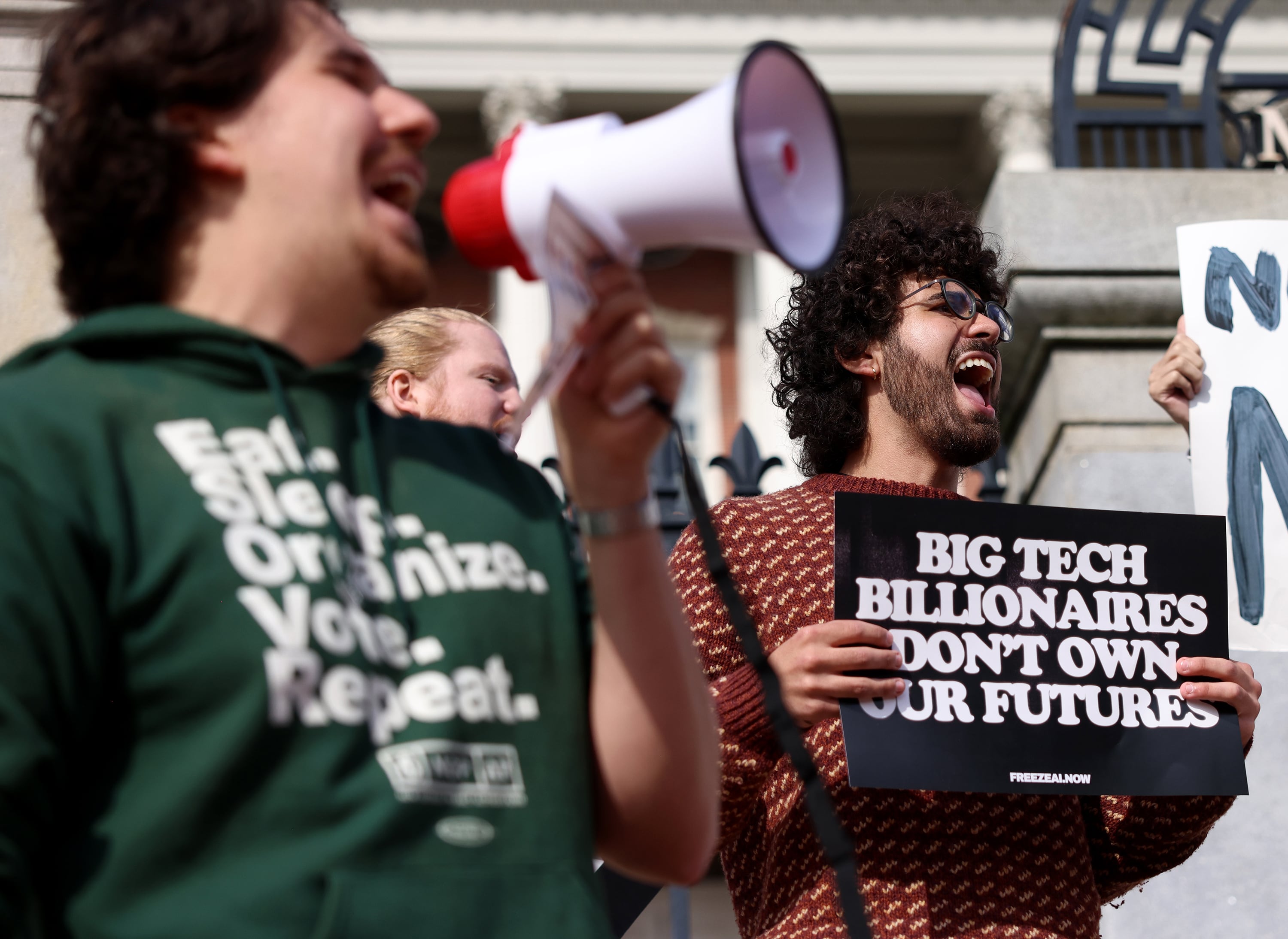
Midterm elections show Democrats, Republicans jockeying to capitalize on ed-tech backlash
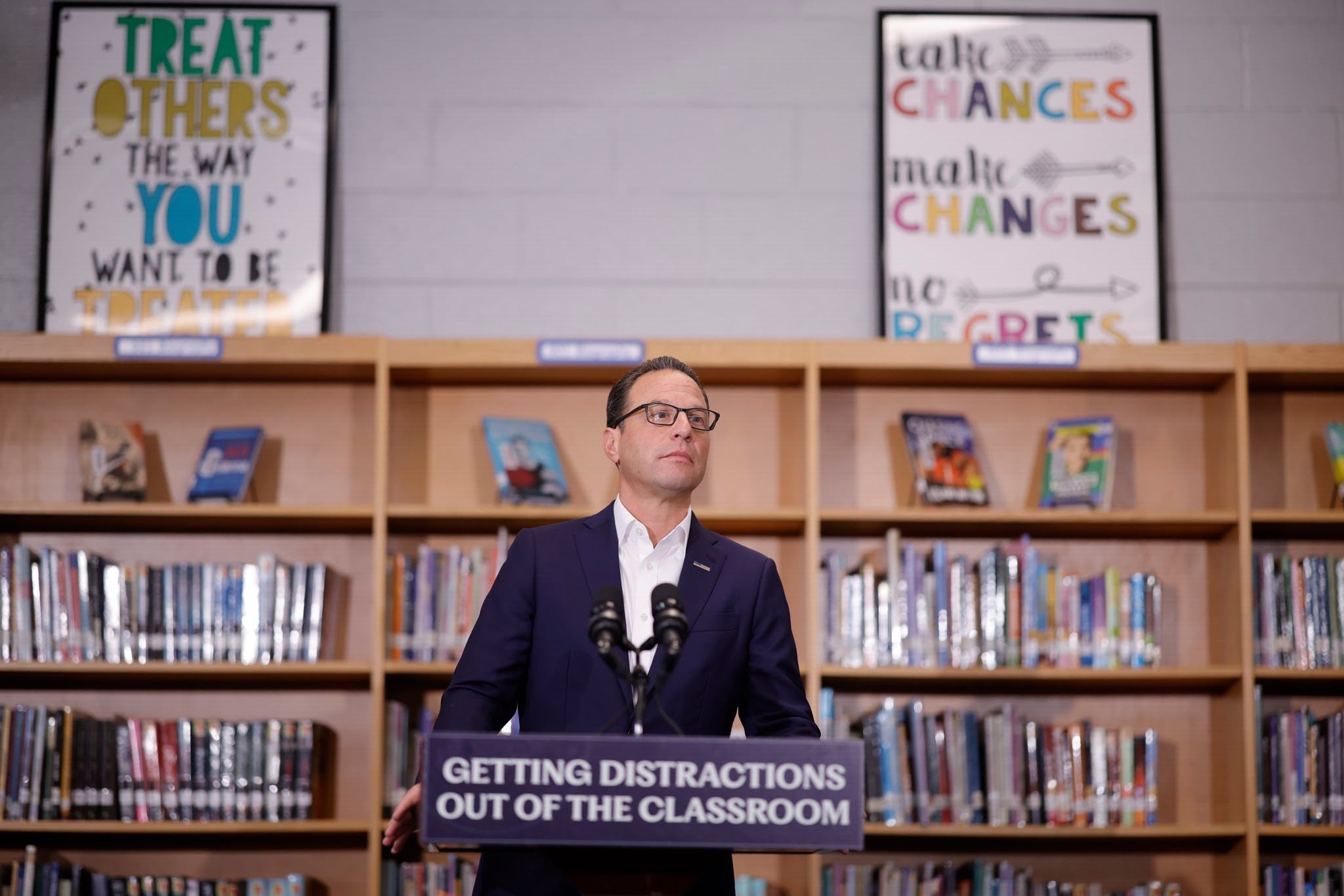
Pennsylvania adopts school cellphone ban

As Michigan students struggle with literacy, teachers head back to school for science of reading training

|
What We’re Reading
Bus service, extracurriculars on the chopping block if school referendums fail, Chicago Tribune (Paywall)
The last high school team in town, The New York Times (Paywall)

|