
Chalkbeat's journalism is made possible by our sponsors.
Interested in becoming one? Reach out here.

|
Good morning!
It’s Makiya Seminera here to bring you the latest education news in Chicago and beyond. Up at the top, we actually have an exciting update for our Chicago readers: On Oct. 14, the Hyde Park Herald, Chalkbeat Chicago and the University of Chicago’s Institute of Politics are hosting a South Side candidate forum — and we want to hear from you!
What do you want to ask the candidates? Submit your questions here by Friday, Oct. 9. For registration and more information, click here.
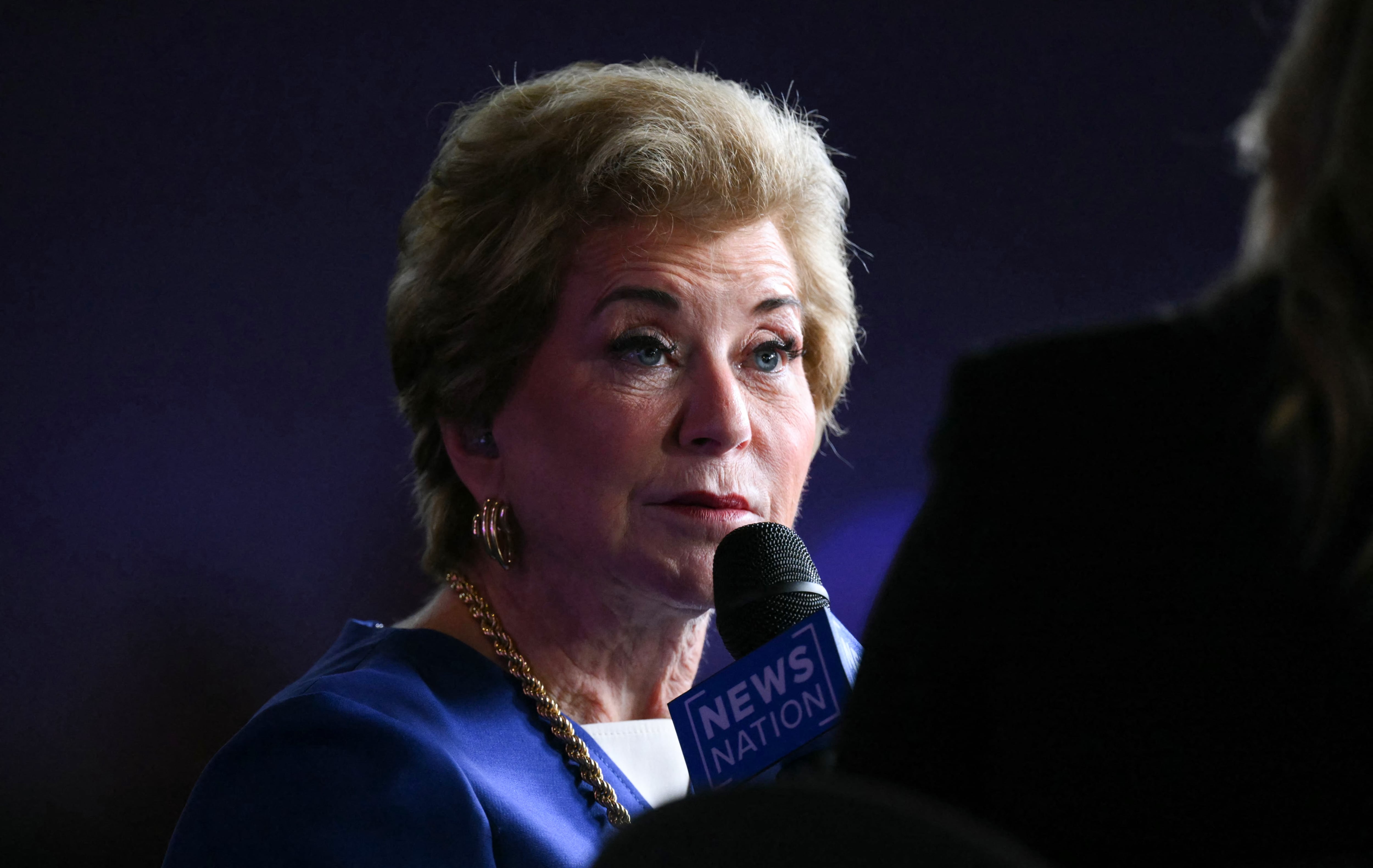
As for new stories out of Chalkbeat, I wanted to share a very important story out of our National team about changes to Title IX rules — the federal regulations that notably enforce protections for victims of sexual assault. Chalkbeat National reporter Lily Altavena reported about the U.S. Department of Education’s announcement that it would essentially revert back to the 2020 version of rules developed during the first Trump administration. Advocates argue the department’s change makes it harder for survivors to prove their case.
It’s hard to ignore that this announcement comes at a time when the nation is still grappling with the horrific allegations of rape at a Cornell University fraternity house in 2024. The Ivy League university’s initial response to the allegations is now under investigation by the New York attorney general’s office.
As always, if you have a story tip for us to look into, you can reply to this email.
Local education coverage is disappearing. Chalkbeat helps families and educators understand what’s changing. We can’t do it without you.
Around Chalkbeat
Title IX changes by Trump administration could tee up broader goal: defining sex in federal law

After Nikole Hannah-Jones’ essay, Mamdani says NYC schools need ‘urgent’ change but offers few specifics

K-2 reading growth slowed last year in the Detroit district. Here’s what administrators say caused it.
A MESSAGE FROM OUR SPONSORS

The case for multimodal learning in today's classroom
Every student brings to the classroom different background knowledge and learning needs. Modern research suggests that multimodal instruction — combining modalities and learning experiences to support access and understanding — can reduce learning barriers, especially for students with disabilities and language-learning needs.
Join us for a conversation focused on what the research shows about how students engage with, interpret, and communicate understanding across different formats and walk away with a practical framework for building multimodal instruction into everyday teaching.

|
What We’re Reading
Gov. Kathy Hochul Requests ‘Independent Review’ of Cornell's Response to Alleged Chi Phi Gang Rape, The Cornell Daily Sun
30 Ideas for Fixing U.S. Schools, Ranked by Experts, The New York Times (Paywall)

|