
Chalkbeat's journalism is made possible by our sponsors.
Interested in becoming one? Reach out here.

|
Good morning! It’s Melissa with Chalkbeat Tennessee.
Tennessee’s NAEP performance has outpaced other states in the South, according to a new analysis of two decades worth of data. Tennessee students charted a meteoric rise from ranking 42nd nationally in 2003 to 16th in 2024, the biggest leap in the nation.
That’s according to a new report commissioned by SCORE this week, which highlights major wins in the state as well as persistent achievement gaps for economically disadvantaged students.
Plus, the feds have finally provided some guidance on new rules for the federal K-12 scholarship tax credit program. Tennessee has already opted in to the program, which will begin next year, but details are hazy on how it will actually play out.
Some public schools see it as an opportunity to benefit, even though the tax credit was designed for private school choice. Read more here.
Local education coverage is disappearing. Chalkbeat helps families and educators understand what’s changing. We can’t do it without you.
Around Chalkbeat
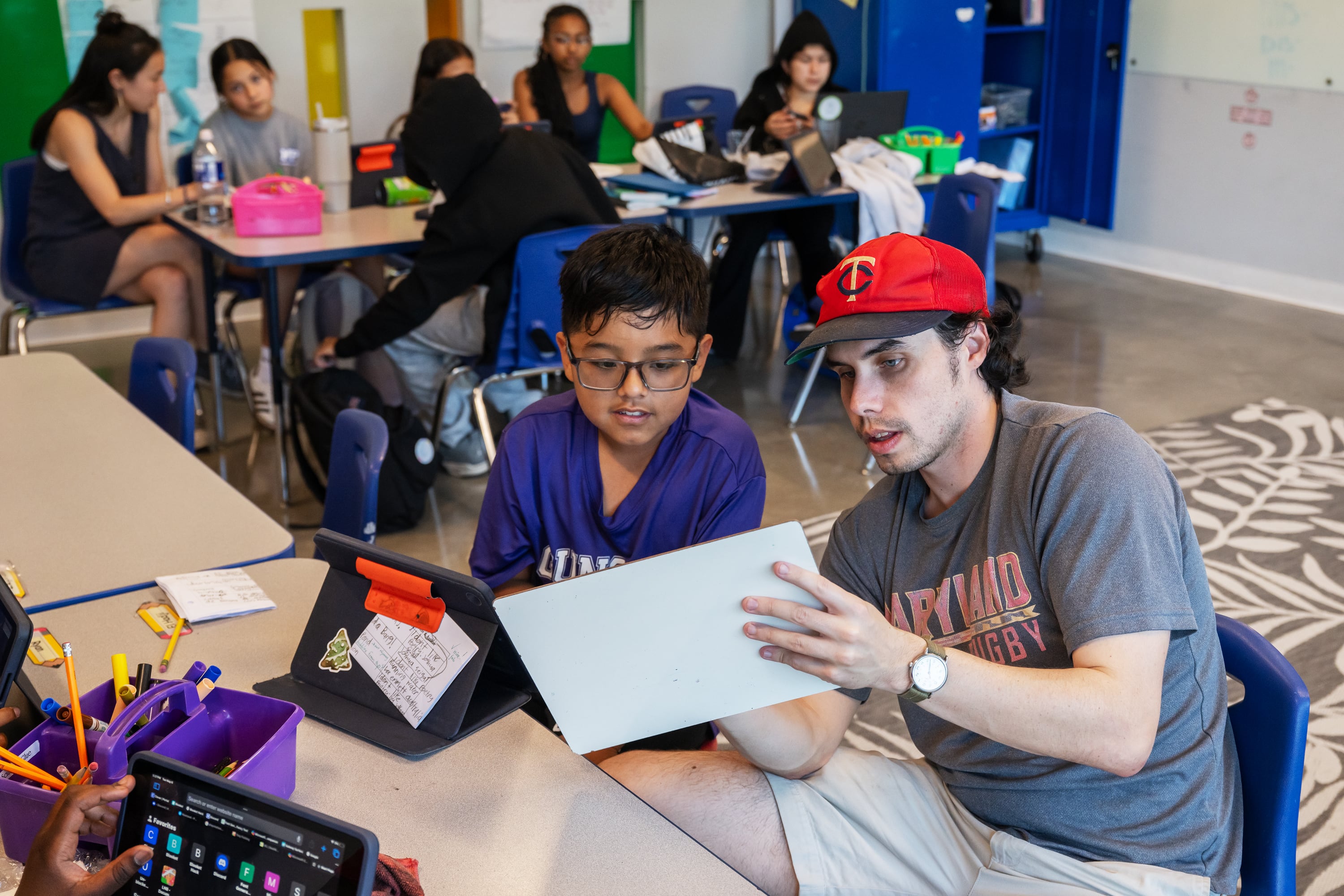
Public schools see ‘money on the table’ in education tax credit designed for private school choice

College tuition is falling, but nobody seems to have noticed

How to fix Michigan’s literacy crisis? Start with poverty and housing solutions, experts say
A MESSAGE FROM OUR SPONSORS

The case for multimodal learning in today's classroom
Every student brings to the classroom different background knowledge and learning needs. Modern research suggests that multimodal instruction — combining modalities and learning experiences to support access and understanding — can reduce learning barriers, especially for students with disabilities and language-learning needs.
Join us for a conversation focused on what the research shows about how students engage with, interpret, and communicate understanding across different formats and walk away with a practical framework for building multimodal instruction into everyday teaching.

|
What We’re Reading

|