
Chalkbeat's journalism is made possible by our sponsors.
Interested in becoming one? Reach out here.

|
Good morning readers!
Makiya Seminera, one of your local Chalkbeat reporters here, after an exciting vacation to the Big Apple. To avoid bogging you down with all the great moments of my trip, here are a few key moments: karaoke, Korean raw marinated crab, art of the ancient Americas, and Harry Styles (bet you weren’t expecting that grouping of words!). So please forgive me as I get back into the swing of things this week — I’m still riding the high of Mr. Styles’ “Sign of the Times” performance.
With the Big Apple still on the brain, I have a story to share from one of our Chalkbeat New York reporters that might resonate with you in Chicago. As the first piece in a two-part series, Michael Elsen-Rooney takes you into New York City’s smallest traditional high school, with just 90 kids enrolled. Once an academic bright spot, Murry Bergtraum High School has fallen to the bottom 1% in graduation and attendance rates across the city — a story that may feel very familiar to Chicagoans. Now, school staff are still grappling with what to do to fix the school or ultimately close it down.
Have any story tips for your Chicago reporting crew? Respond to this email.
Local education coverage is disappearing. Chalkbeat helps families and educators understand what’s changing. We can’t do it without you.
Around Chalkbeat
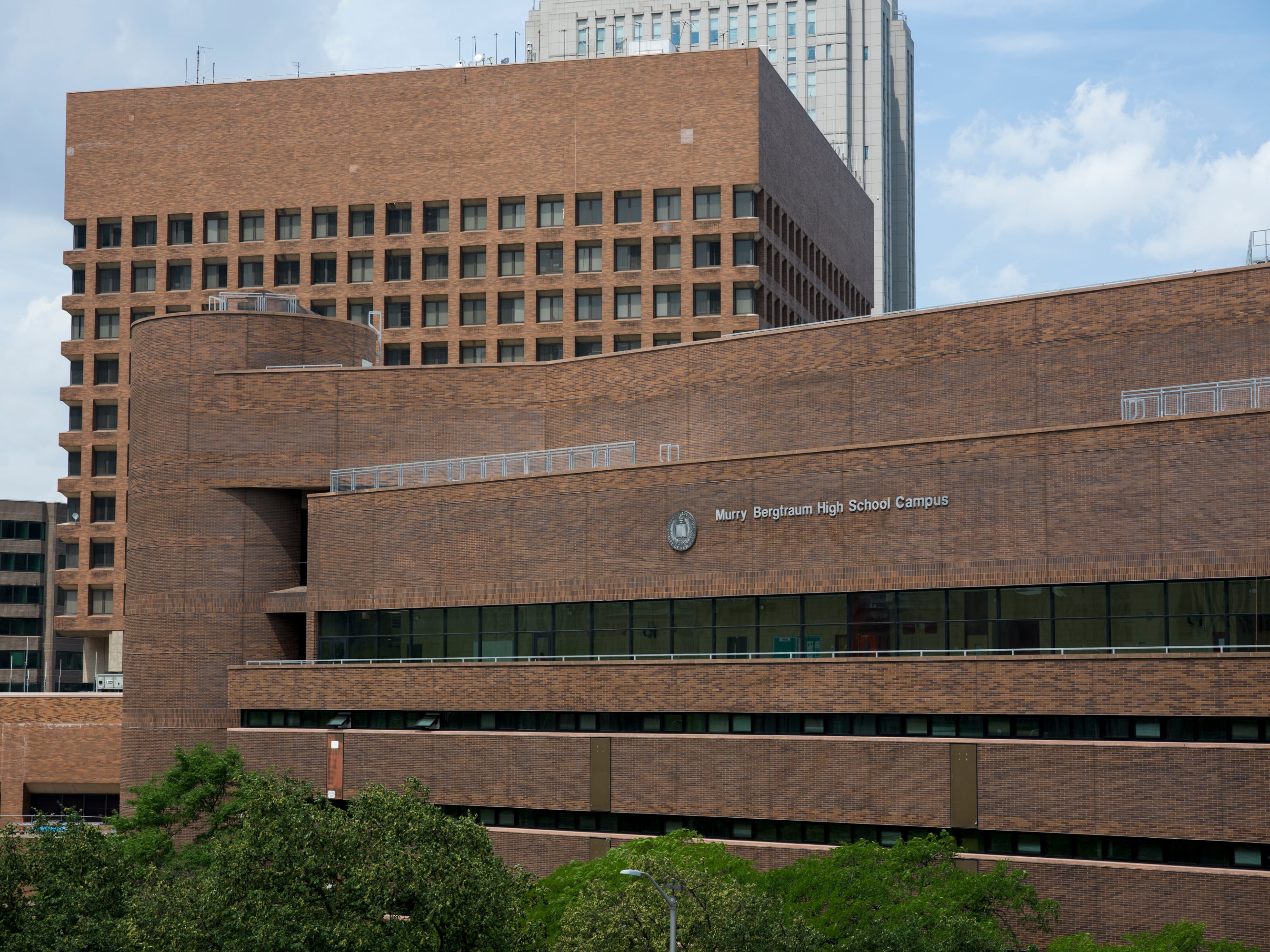
From 3,000 students to about 90: Inside the decades-long failure to fix or close NYC’s smallest high school

High school journalism expands in NYC, backed by new city funding

Denver is opening more specialized classrooms as the number of students with the autism grows
A MESSAGE FROM OUR SPONSORS

How I improved attendance by 30% in the first two months of school
By our sponsor, Sanford Harmony at National University

|
What We’re Reading
In Fighting for Every Black Child, Did I Betray My Own? The New York Times (Opinion)
Judge strikes down a Trump policy barring some immigrants from Head Start preschools, The Associated Press
Higher Ed Groups Push Back on Trump’s New Accreditation Rule, Inside Higher Ed

|