
Chalkbeat's journalism is made possible by our sponsors.
Interested in becoming one? Reach out here.

|
Good morning. It’s Amy with Chalkbeat New York.
After Pulitzer Prize-winning author Nikole Hannah-Jones wrote about how New York City’s segregated schools failed her daughter, she put Mayor Zohran Mamdani in the hot seat, asking what he plans to do to fix the system. In a WNYC interview on Tuesday, Mamdani conceded that city schools are falling short for Black and brown children, saying that change is an “urgent necessity.” But he failed to give specifics other than mentioning some newly formed working groups. In an interview with Chalkbeat, Hannah-Jones warned that these kinds of efforts can become a stalling tactic, emphasizing that meaningful change will require bold mayoral leadership.
And be sure to join us on Thursday to hear Chalkbeat New York Alex Zimmerman and others discuss how schools are embracing AI at the same time families and educators are questioning how much technology belongs in classrooms. Be part of this members-only virtual conversation. Donate any amount to become a Chalkbeat member and reserve your seat.
Local education coverage is disappearing. Chalkbeat helps families and educators understand what’s changing. We can’t do it without you.
Local News

After Nikole Hannah-Jones’ essay, Mamdani says NYC schools need ‘urgent’ change but offers few specifics
Around Chalkbeat
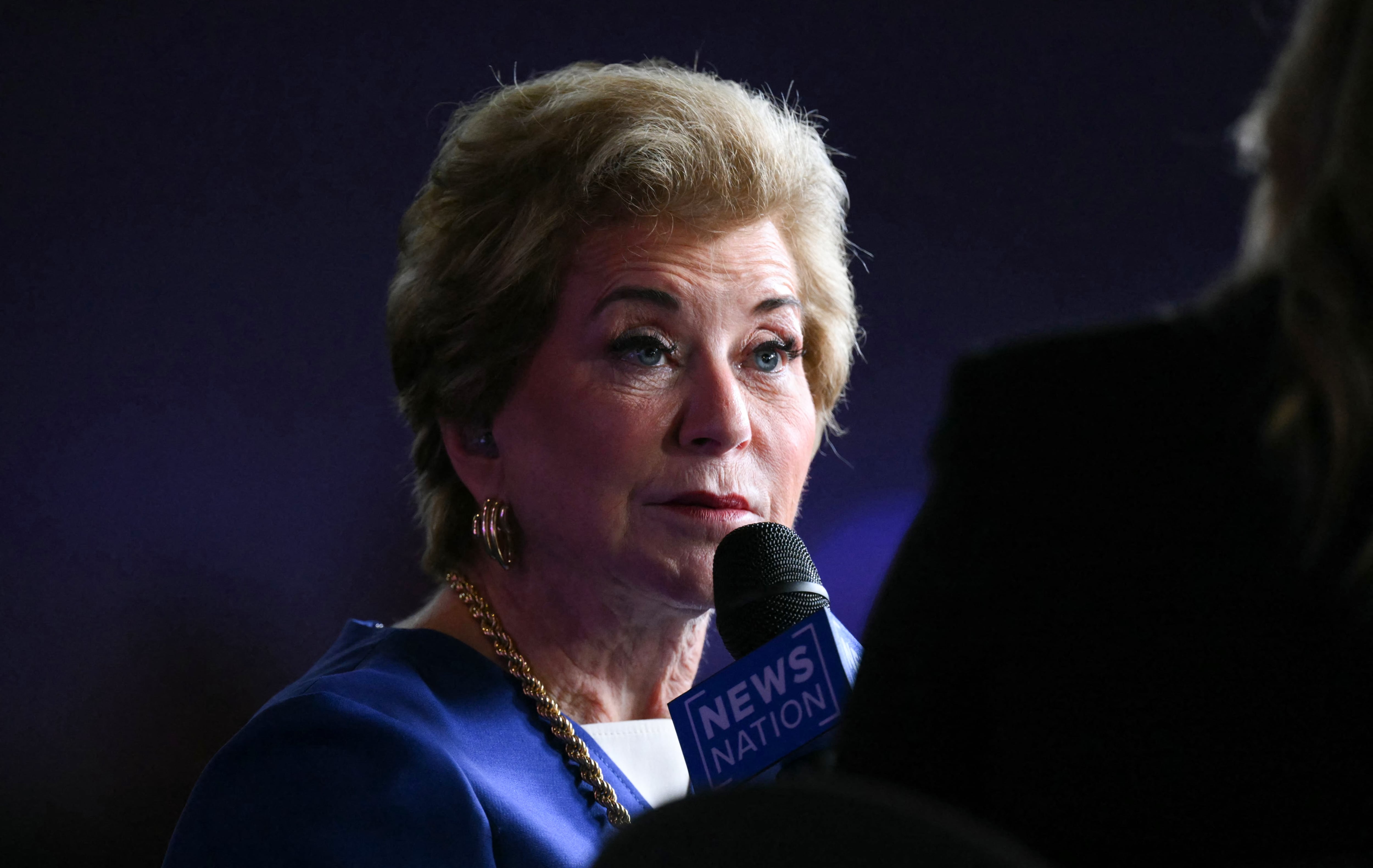
Title IX changes by Trump administration could tee up broader goal: defining sex in federal law
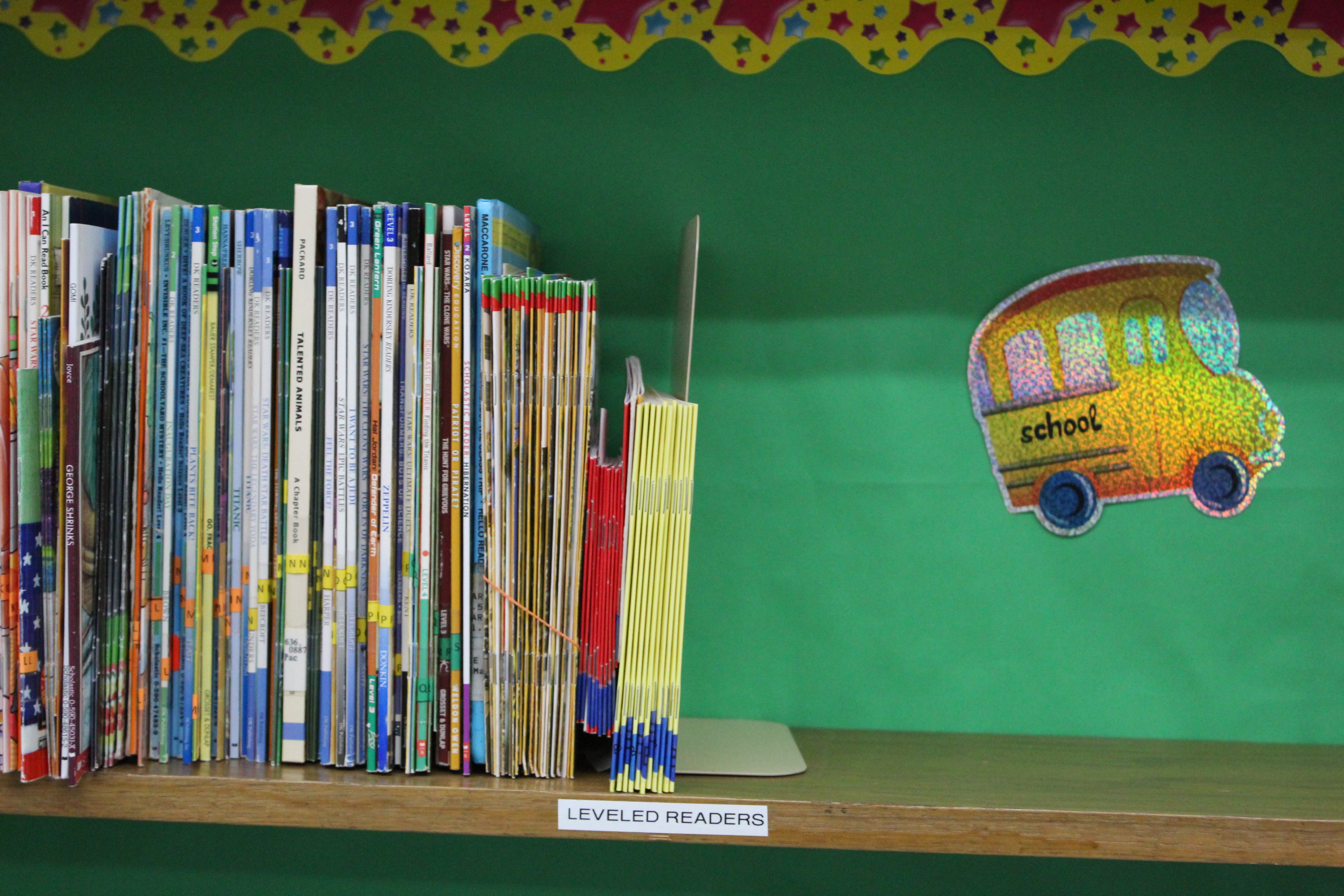
K-2 reading growth slowed last year in the Detroit district. Here’s what administrators say caused it.
A MESSAGE FROM OUR SPONSORS

The case for multimodal learning in today's classroom
Every student brings to the classroom different background knowledge and learning needs. Modern research suggests that multimodal instruction — combining modalities and learning experiences to support access and understanding — can reduce learning barriers, especially for students with disabilities and language-learning needs.
Join us for a conversation focused on what the research shows about how students engage with, interpret, and communicate understanding across different formats and walk away with a practical framework for building multimodal instruction into everyday teaching.

|
What We’re Reading
Individual Choices Won’t Fix America’s Public Schools, The New Yorker (Paywall)
Turning an Airfield in Brooklyn Into a High School, The New York Times

|