
Chalkbeat's journalism is made possible by our sponsors.
Interested in becoming one? Reach out here.

|
Hello! It’s Rebecca from Chalkbeat Philly.
I spoke to a bunch of eighth graders this week, and they were delightful. But as I asked them about their hopes for high school, I kept hearing about their frustration with the district’s school selection process.
Philadelphia uses state test scores to determine students’ eligibility for magnet school admissions. But an unexplained delay in the release of those results means students still don’t know which schools they’re eligible for.
In response, Superintendent Tony Watlington delayed the school selection process by several weeks, and the application window will be open from Oct. 5 to Nov. 24.
Have a question or story tip? Reach us at [email protected].
Local education coverage is disappearing. Chalkbeat helps families and educators understand what’s changing. We can’t do it without you.
Local News
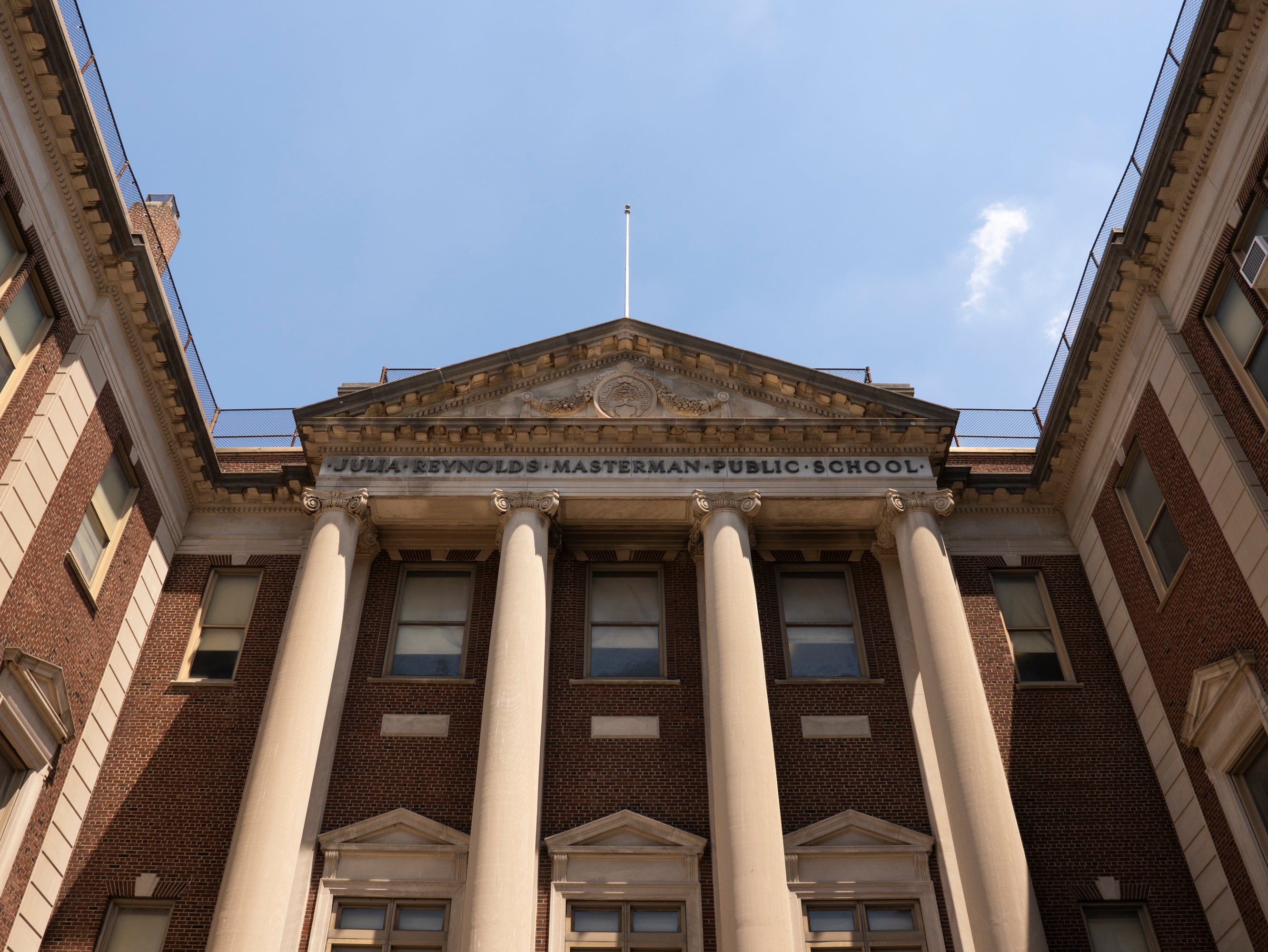
Why a puzzling wait for state test scores is especially hard on Philadelphia middle schoolers
Around Chalkbeat

Newark schools says a state audit found ‘nothing.’ The auditors flagged the Criminal Justice division.
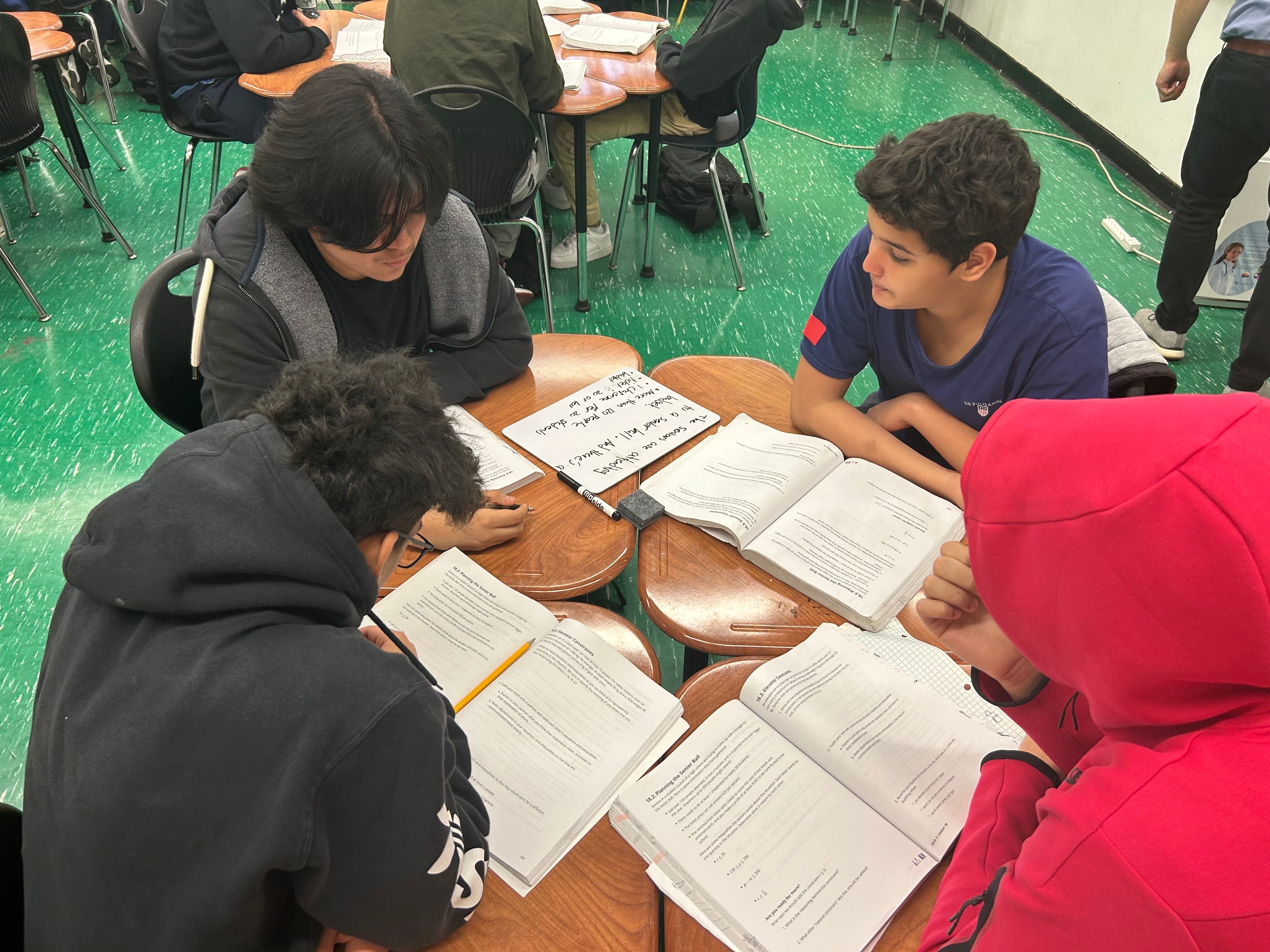
NYC math teacher who helped develop Illustrative Mathematics makes the case for its open-ended approach

Public schools see ‘money on the table’ in education tax credit designed for private school choice
A MESSAGE FROM OUR SPONSORS

The case for multimodal learning in today's classroom
Every student brings to the classroom different background knowledge and learning needs. Modern research suggests that multimodal instruction — combining modalities and learning experiences to support access and understanding — can reduce learning barriers, especially for students with disabilities and language-learning needs.
Join us for a conversation focused on what the research shows about how students engage with, interpret, and communicate understanding across different formats and walk away with a practical framework for building multimodal instruction into everyday teaching.

|
What We’re Reading
Building a Better Merger, The Philadelphia Citizen

|