
Chalkbeat's journalism is made possible by our sponsors.
Interested in becoming one? Reach out here.

|
Happy Friday! This is Alex with Chalkbeat New York.
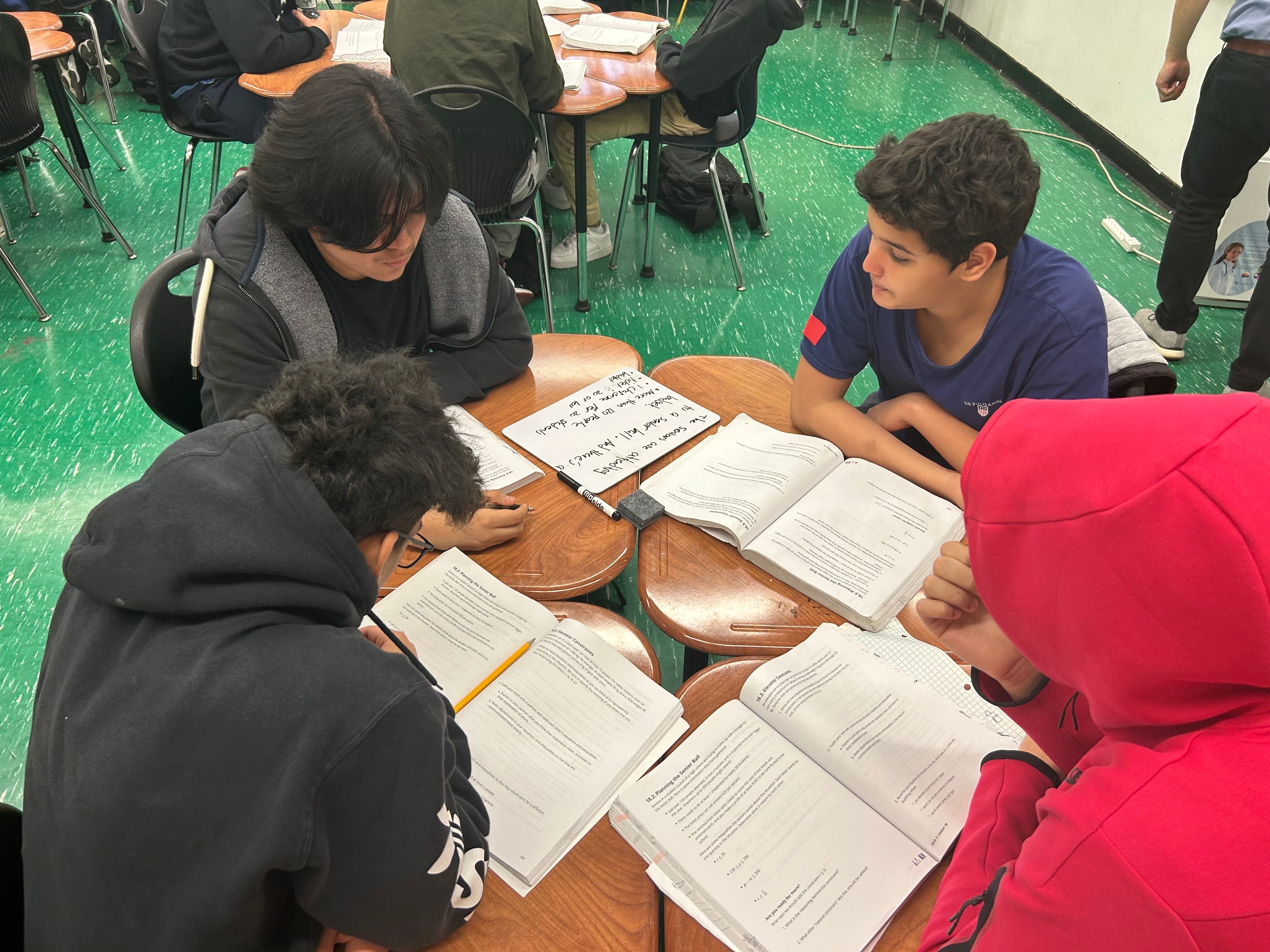
New York City education officials recently began requiring all high schools to use a curriculum called Illustrative Mathematics for Algebra 1. The curriculum is more open-ended and encourages student discussion. Some educators have questioned whether it’s the best approach, especially for students who don’t yet have a command of the basics.
Our top story this morning is a Q&A with Gabe Rosenberg, a New York City teacher who helped develop portions of the curriculum. He explains how he approaches students who are struggling and makes the case for the curriculum’s open-ended approach.
“Memorizing a few things they will forget by next Fall is unimportant,” he said. “Every student should see themselves as capable doers of mathematics.”
Local education coverage is disappearing. Chalkbeat helps families and educators understand what’s changing. We can’t do it without you.
Local News
NYC math teacher who helped develop Illustrative Mathematics makes the case for its open-ended approach
Around Chalkbeat

College tuition is falling, but nobody seems to have noticed

Newark schools says a state audit found ‘nothing.’ The auditors flagged the Criminal Justice division.
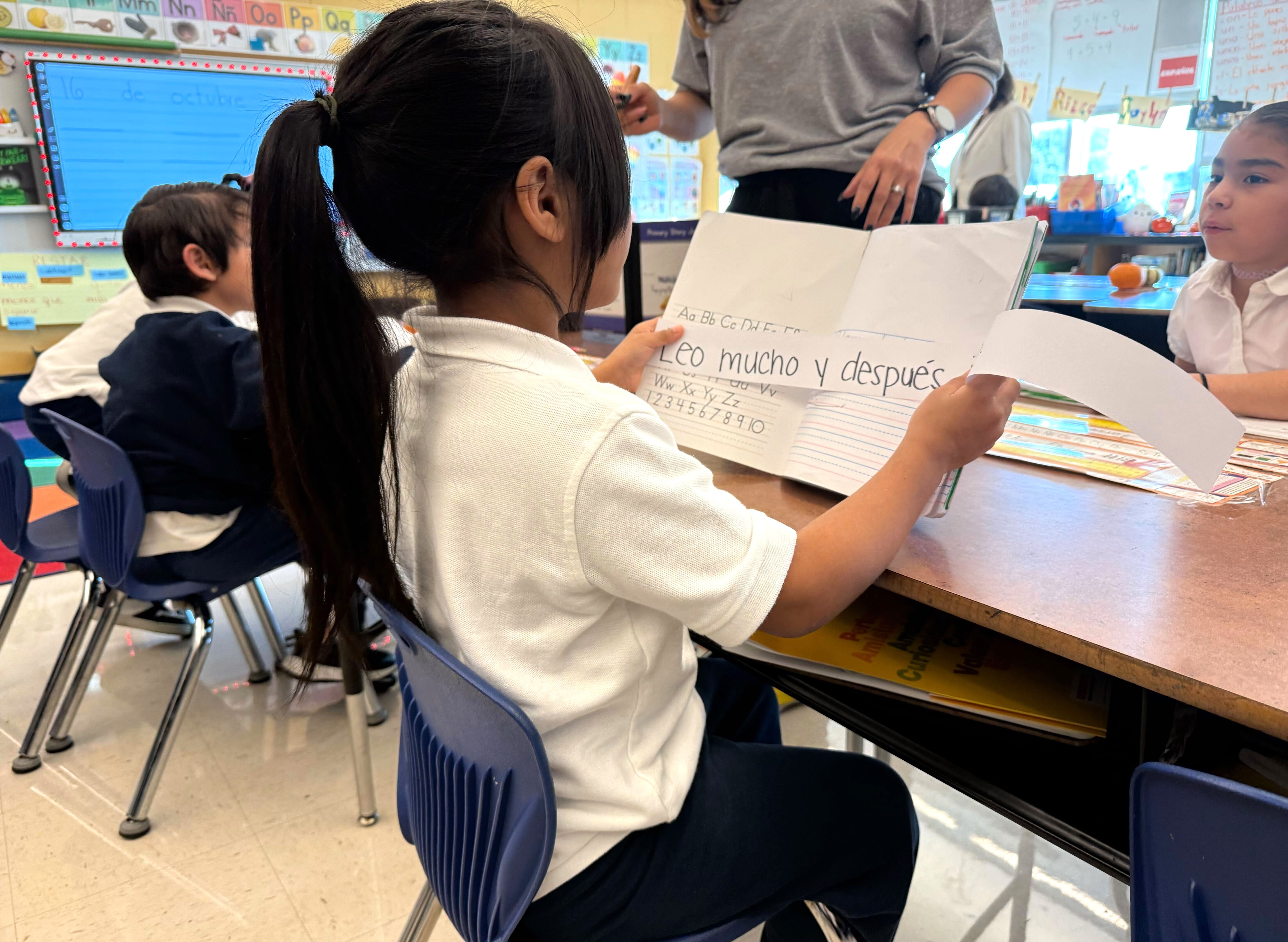
Chicago teachers, school leaders navigate uncertainty after school board reverses summer layoffs
A MESSAGE FROM OUR SPONSORS

The case for multimodal learning in today's classroom
Every student brings to the classroom different background knowledge and learning needs. Modern research suggests that multimodal instruction — combining modalities and learning experiences to support access and understanding — can reduce learning barriers, especially for students with disabilities and language-learning needs.
Join us for a conversation focused on what the research shows about how students engage with, interpret, and communicate understanding across different formats and walk away with a practical framework for building multimodal instruction into everyday teaching.

|
What We’re Reading
Google Pushed AI Into Schools—and Even Students Say It’s Gone Too Far, Wall Street Journal (paywall)

|