
Chalkbeat's journalism is made possible by our sponsors.
Interested in becoming one? Reach out here.

|
Good morning and happy Wednesday, Carly here with Chalkbeat Newark.
We finally got some news about those delayed state test scores. Superintendent Roger León said at last week’s school board meeting that families can expect to receive scores starting around Oct. 7 — they’ll be coming home in paper form by Oct. 9.
We know that standardized tests aren’t the end-all-be-all of student achievement, but families are hoping they’ll provide a better sense of where their children stand in reading and math.
In other news, I took a deep dive into Newark’s universal enrollment system, what it was good at, and how it all fell apart. Our neighbors over in Philly have been messing around with the idea of adopting a similar system so I thought there might be some lessons to be learned.
Will we see you on Thursday? Schools are embracing AI at the same time families and educators are questioning how much technology belongs in classrooms. Chalkbeat reporters Lily Altavena and Alex Zimmerman will dig into that tension and their reporting in a members-only virtual conversation. Donate any amount to become a Chalkbeat member and reserve your seat.
Local education coverage is disappearing. Chalkbeat helps families and educators understand what’s changing. We can’t do it without you.
Local News

Newark families should receive delayed 2026 state test scores in October
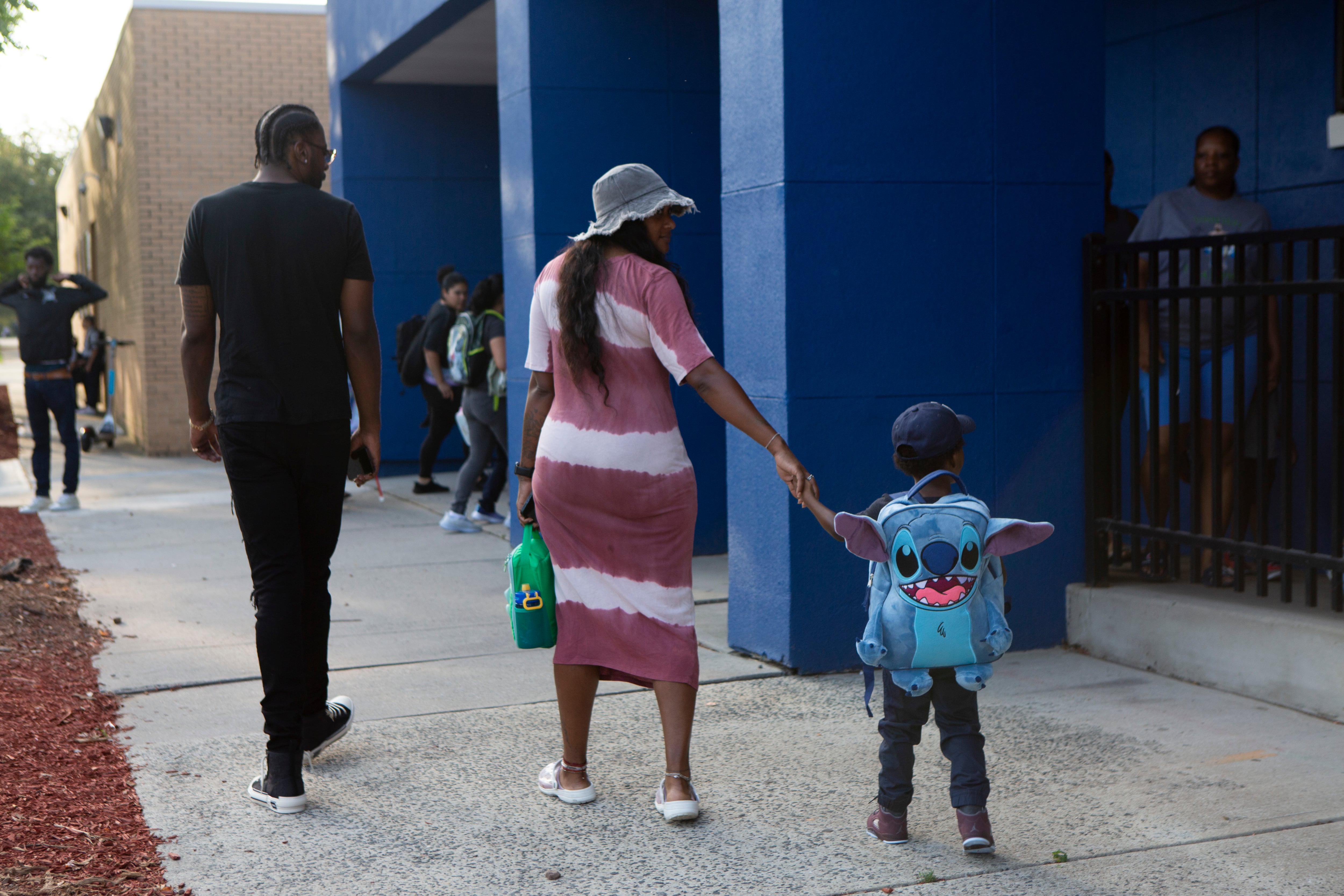
Could Newark’s universal enrollment system teach Philadelphia some lessons?
Around Chalkbeat
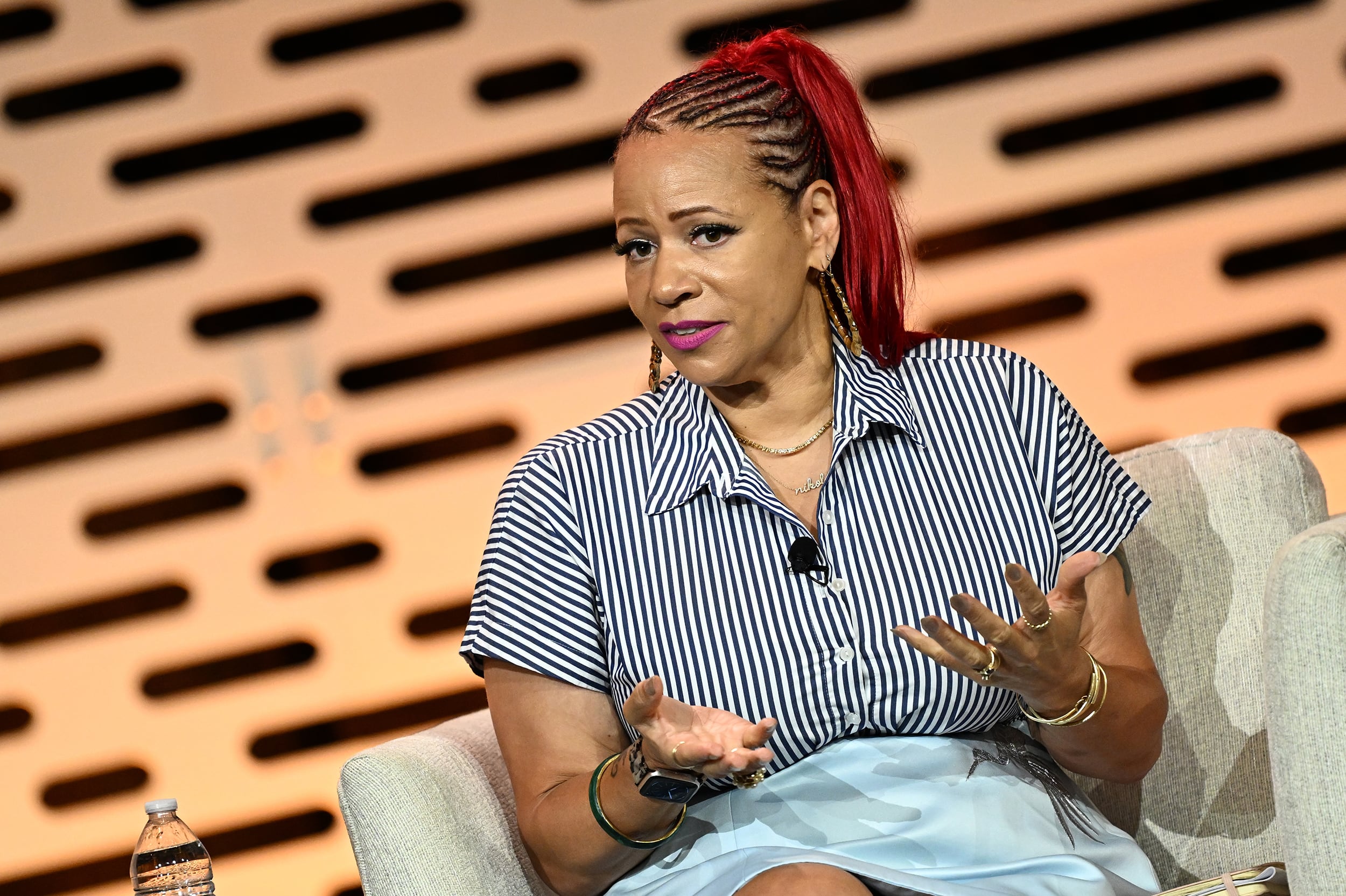
Nikole Hannah-Jones’ essay on school integration sparks a reckoning for parents and education advocates
Feds target school internet subsidies in ed-tech backlash even as Trump touts AI

Meet the Philadelphia high school student who won Chalkbeat’s rap contest
A MESSAGE FROM OUR SPONSORS

The case for multimodal learning in today's classroom
Every student brings to the classroom different background knowledge and learning needs. Modern research suggests that multimodal instruction — combining modalities and learning experiences to support access and understanding — can reduce learning barriers, especially for students with disabilities and language-learning needs.
Join us for a conversation focused on what the research shows about how students engage with, interpret, and communicate understanding across different formats and walk away with a practical framework for building multimodal instruction into everyday teaching.

|
What We’re Reading
Q&A: How China and Canada beat the U.S. in educating poor kids, NJ Spotlight News
New bill aims to bring Dolly Parton’s Imagination Library to New Jersey, New Jersey Monitor
Diesel costs have doubled for NJ school bus contractors and districts, NorthJersey.com (Paywall)

|