
Chalkbeat's journalism is made possible by our sponsors.
Interested in becoming one? Reach out here.

|
Good morning, Mike here with Chalkbeat New York.
Last spring, we wrote about the fallout from a major reshuffling of the city’s afterschool contracts. At some schools, parents and educators felt blindsided and furious that longstanding providers were replaced by new organizations, sometimes against the principal’s wishes. Some predicted the new providers wouldn’t be able to get up and running in time. Four months later, as today’s top story details, some of those fears have come to bear. In several Manhattan schools, the situations with the new provider grew so bad that the organization withdrew.
Need to reach the bureau? Send feedback, news tips, or questions to [email protected], or just reply to this email.
Local education coverage is disappearing. Chalkbeat helps families and educators understand what’s changing. We can’t do it without you.
Local News
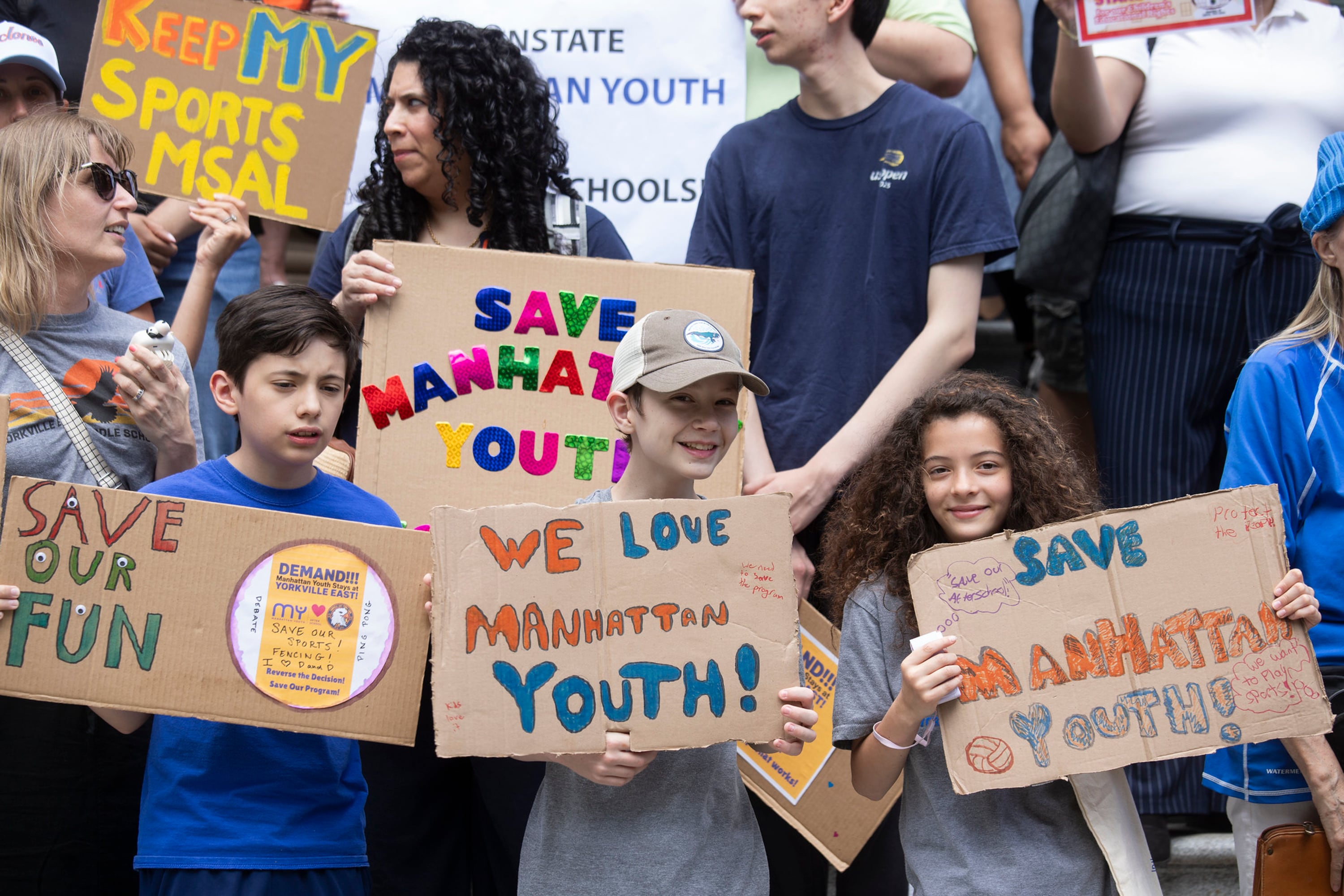
Parents predicted problems after NYC overhauled after-school contracts. They were right.
Around Chalkbeat

Public schools see ‘money on the table’ in education tax credit designed for private school choice
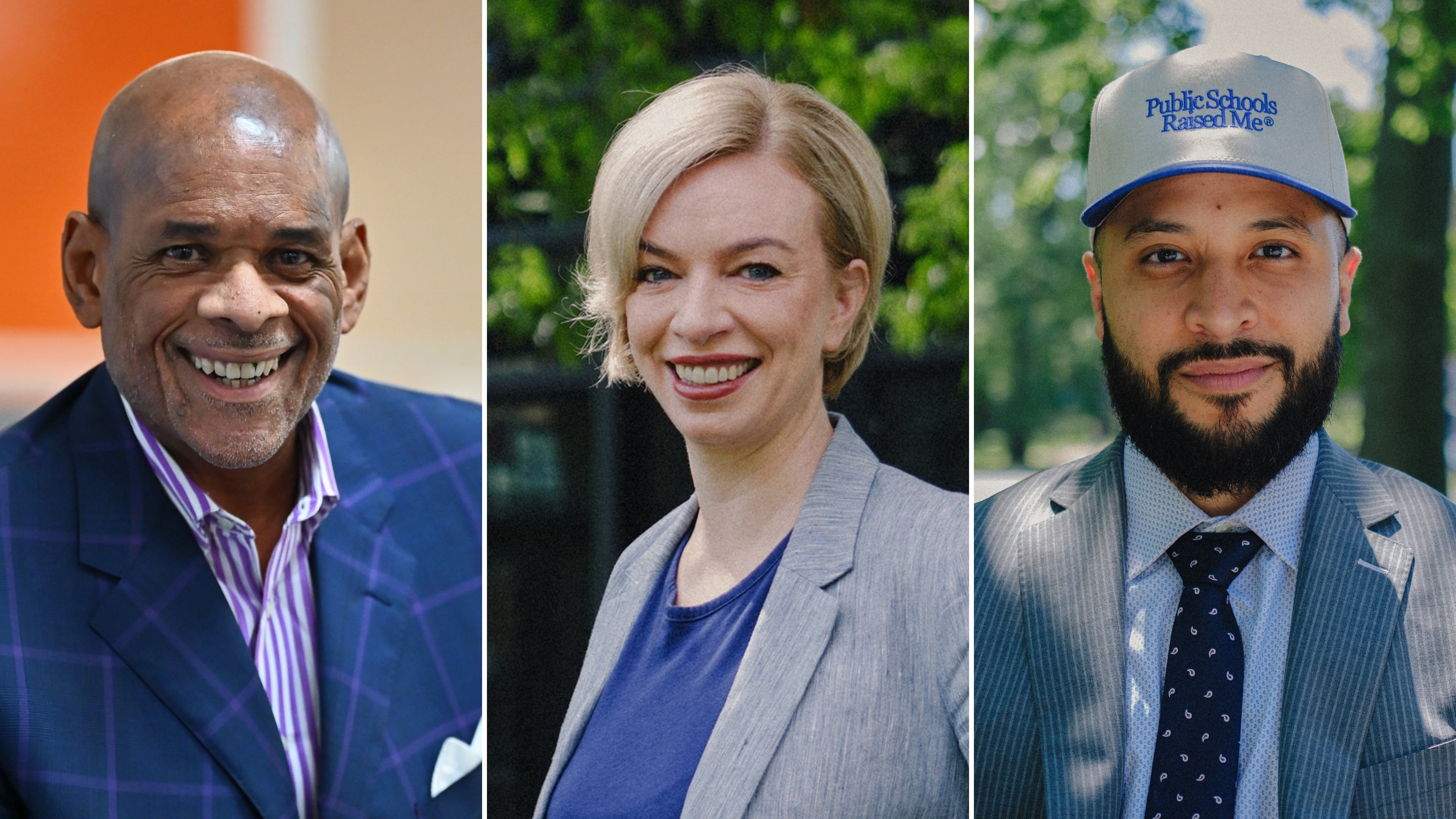
Chicago School Board Election 2026: The citywide race for president
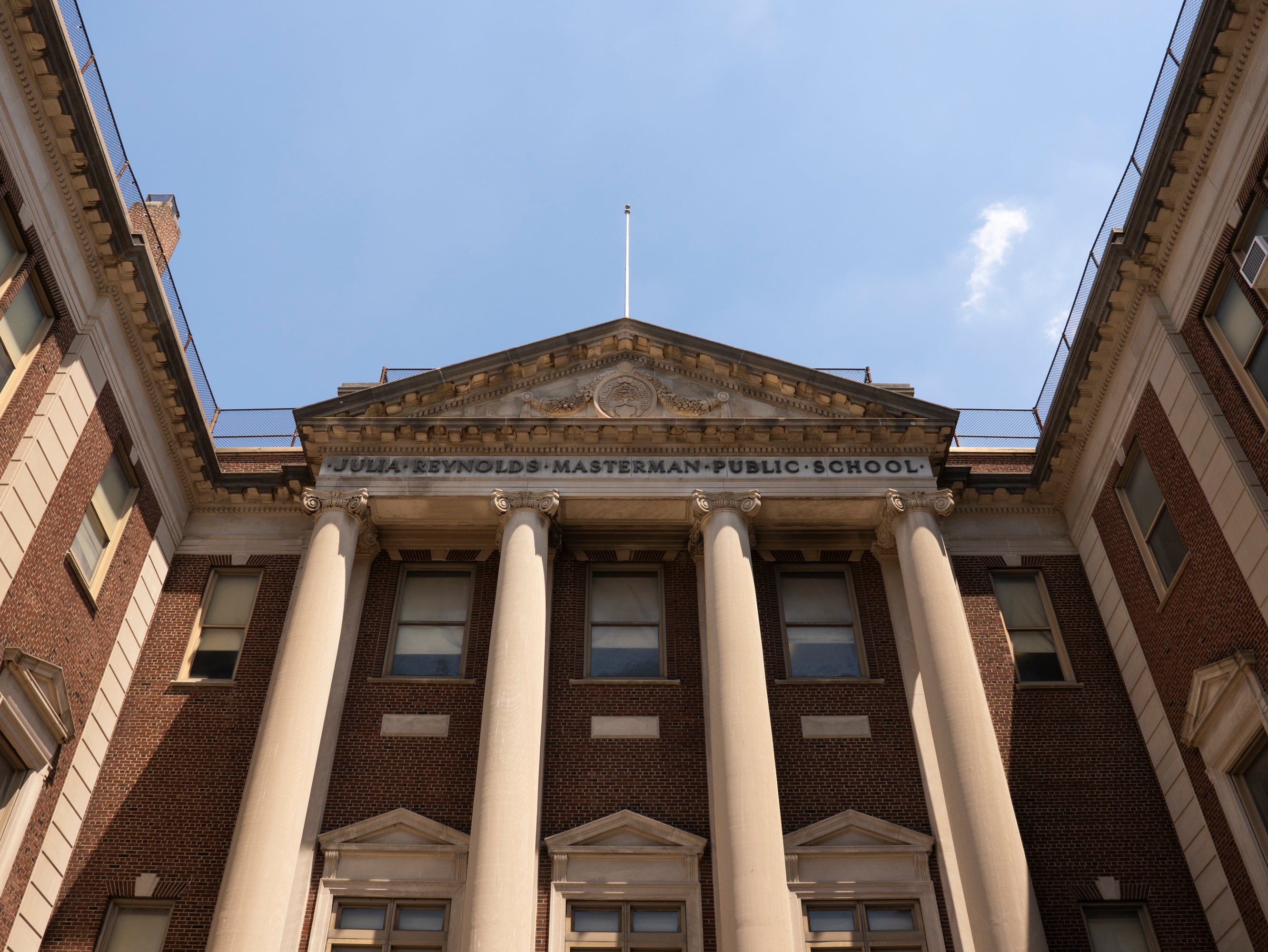
Why a puzzling wait for state test scores is especially hard on Philadelphia middle schoolers
A MESSAGE FROM OUR SPONSORS

The case for multimodal learning in today's classroom
Every student brings to the classroom different background knowledge and learning needs. Modern research suggests that multimodal instruction — combining modalities and learning experiences to support access and understanding — can reduce learning barriers, especially for students with disabilities and language-learning needs.
Join us for a conversation focused on what the research shows about how students engage with, interpret, and communicate understanding across different formats and walk away with a practical framework for building multimodal instruction into everyday teaching.

|
What We’re Reading
U.S. News Shuffled Its N.Y. High School Rankings. An Uproar Ensued., New York Times

|