
Chalkbeat's journalism is made possible by our sponsors.
Interested in becoming one? Reach out here.

|
Good morning! Alex here.
An essay by New York Times journalist Nikole Hannah-Jones has touched off intense debate about the quality of her daughter’s education — and the choice her family made to enroll in racially and economically segregated schools.
With high school applications opening yesterday, families must make sense of hundreds of different programs. It can be difficult to find good information about whether a high-poverty school is helping students make academic progress, whether teachers trust the principal, or how often students are suspended. That’s why we teamed up with our friends at The City Reporter to create a guide that explains the dizzying array of data and tools families can use to help make sense of their options from kindergarten through 12th grade.
We’re also hosting a free workshop on Thursday, Oct. 15 (6-7 p.m.) at the Brooklyn Public Library (Central Branch) to dig into the data and answer your questions. RSVP here.
Need to reach the bureau? Email us at [email protected].
Local education coverage is disappearing. Chalkbeat helps families and educators understand what’s changing. We can’t do it without you.
Local News

How to vet NYC public schools like an education reporter: What parents should consider
Around Chalkbeat
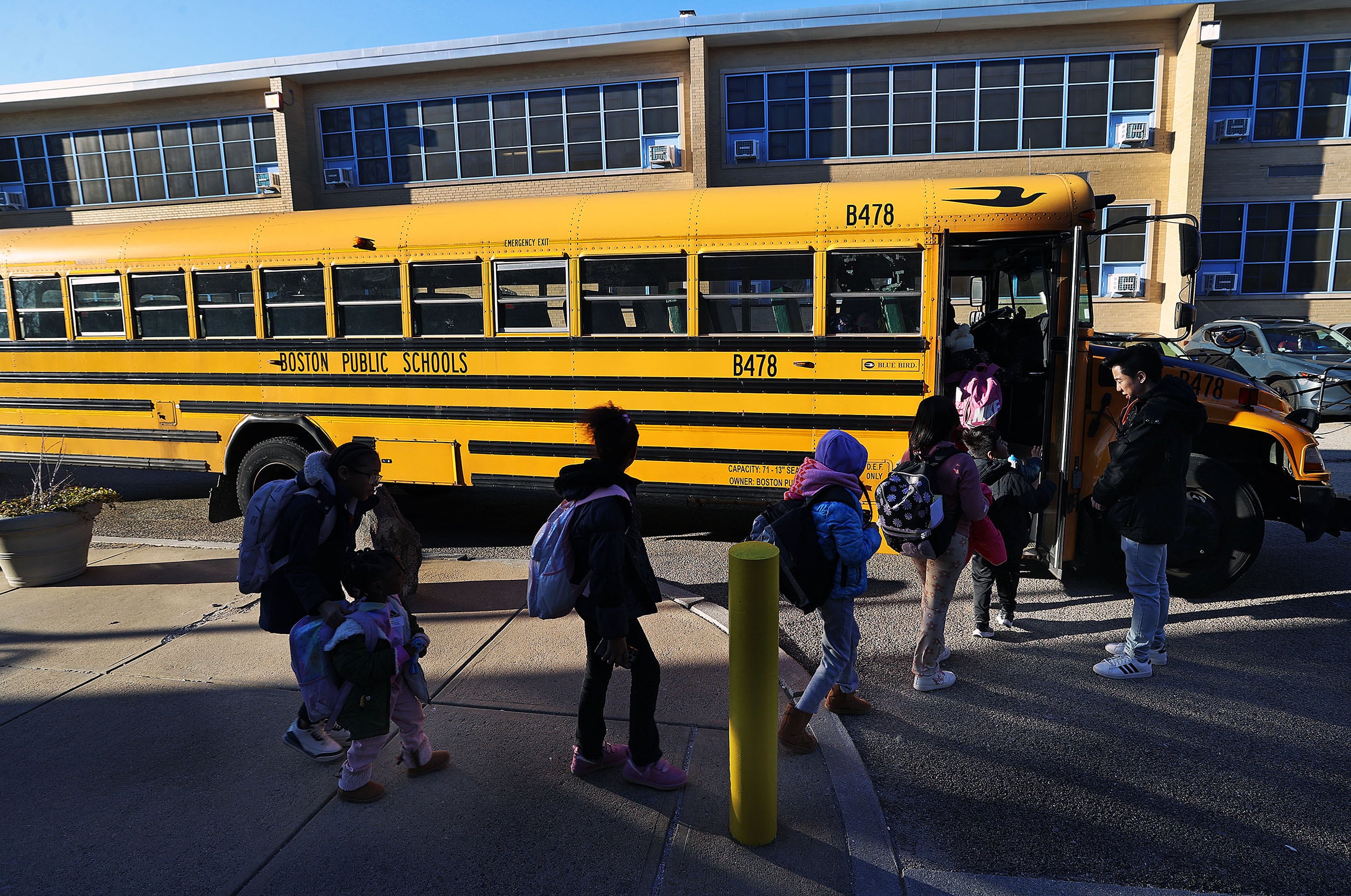
What happened when Boston students were bused to suburban schools?
A MESSAGE FROM OUR SPONSORS

The case for multimodal learning in today's classroom
Every student brings to the classroom different background knowledge and learning needs. Modern research suggests that multimodal instruction — combining modalities and learning experiences to support access and understanding — can reduce learning barriers, especially for students with disabilities and language-learning needs.
Join us for a conversation focused on what the research shows about how students engage with, interpret, and communicate understanding across different formats and walk away with a practical framework for building multimodal instruction into everyday teaching.

|
What We’re Reading

|